Latest
Paper Submissions closed Registration deadline — 1 November 2026 Conference — 10 & 11 December 2026, VIT Chennai
Submission closed
IEEE ICRTAC 2026 VIT Chennai

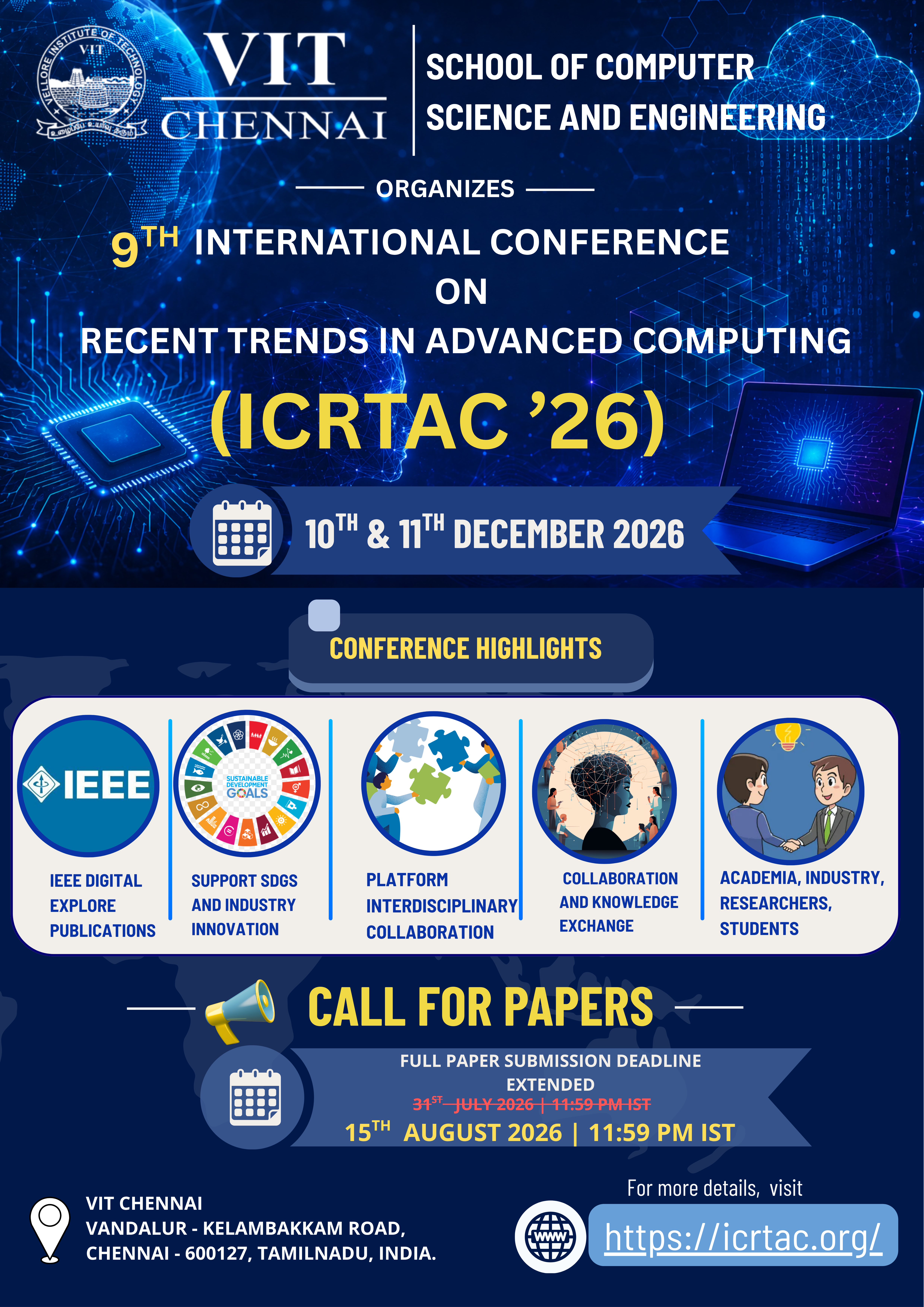
9th International Conference on Recent Trends in Advanced Computing ICRTAC'26

Theme Transforming Sustainability through Computing: Automated Solutions for Global SDG Challenges

10 & 11 December 2026
VIT Chennai

Organized by

School of Computer Science and Engineering (SCOPE),
Vellore Institute of Technology, Chennai, India

Submission closed Download brochure
0

Countries

0

Papers expected

0

Keynote speakers

0

Participants

0

Tracks

The Conference

About ICRTAC ' 26

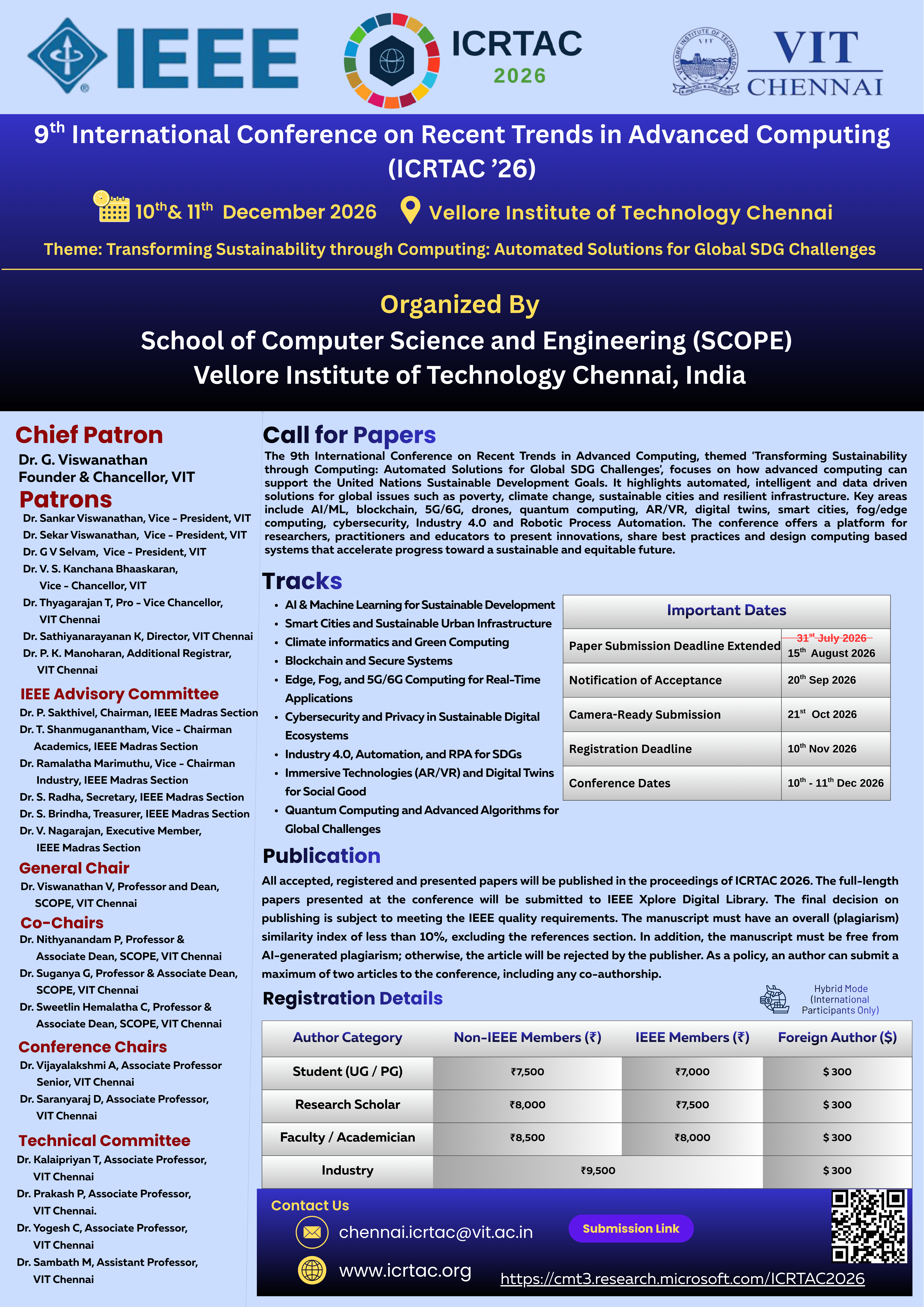
The 9th International Conference on Recent Trends in Advanced Computing, themed "Transforming Sustainability through Computing: Automated Solutions for Global SDG Challenges," focuses on how advanced computing can support the United Nations Sustainable Development Goals. It highlights automated, intelligent, and data-driven solutions for global issues such as poverty, climate change, sustainable cities, and resilient infrastructure.

Key areas include AI/ML, blockchain, 5G/6G, drones, quantum computing, AR/VR, digital twins, smart cities, fog/edge computing, cybersecurity, Industry 4.0, and Robotic Process Automation. The conference offers a platform for researchers, practitioners, and educators to present innovations, share best practices, and design computing-based systems that accelerate progress toward a sustainable and equitable future.

AI & Automation

Applied intelligence for real SDG outcomes.

Sustainability

Green computing, climate informatics, energy.

Trust & Security

Privacy, blockchain, resilient infrastructure.

ICRTAC 2026 call for papers poster
Institution

About VIT Chennai

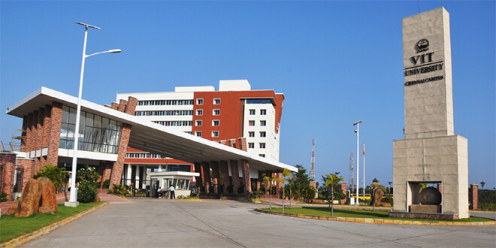
VIT Chennai is a globally engaged, competitive research-enriched campus, strategically located in a city that is one of the biggest automotive and IT hubs in Tamil Nadu. Its motto is to respond by rearing students to major industrial, social, economic, and environmental demands and challenges of cosmopolitan cities in India and the world in general.

This fifteen-year-old campus offers undergraduate, postgraduate, and research programmes and draws smart students from every state in India through a highly competitive examination.

Read more
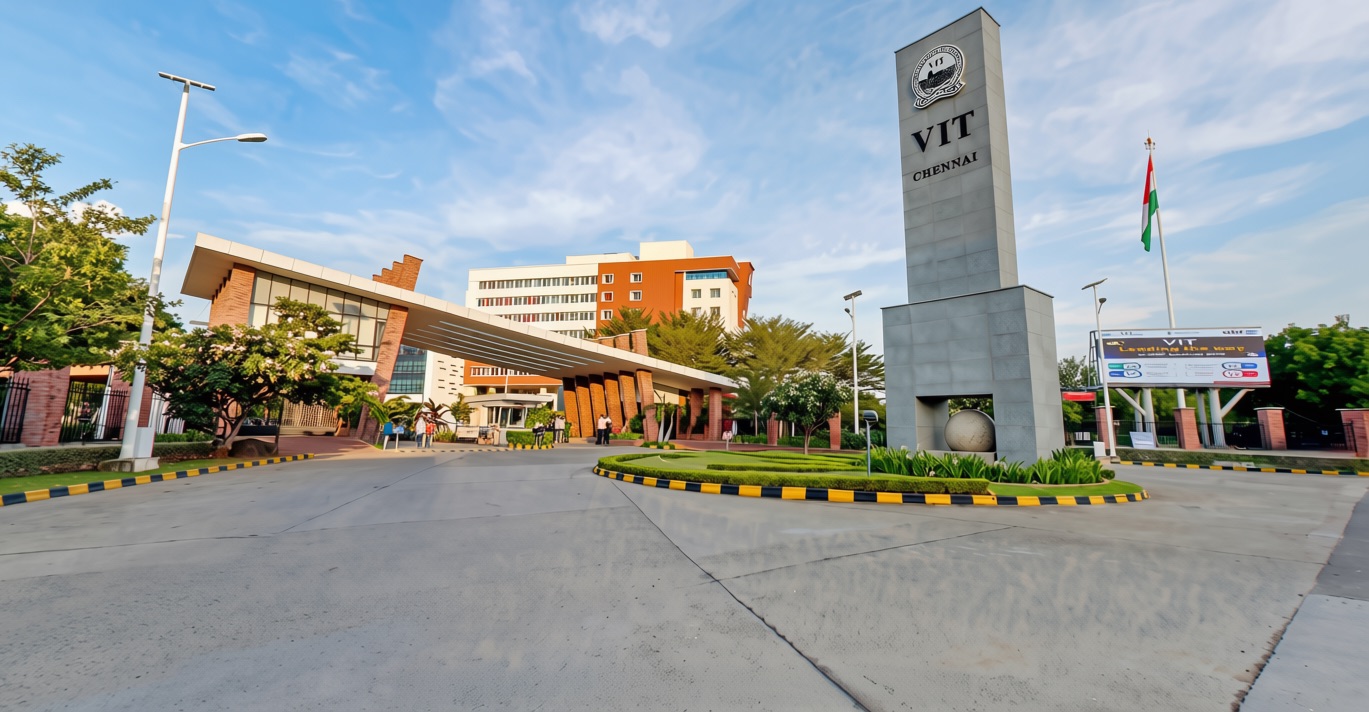
VIT Chennai
Institution

About School of Computer Science and Engineering (SCOPE)

The domain of engineering that has grown to be a major obliging field is Computer Science Engineering. Computer science engineering has taken a good course in embarking a strong place in the field of engineering. The School of Computer Science and Engineering was established in the year of 2010 in VIT. Ever since then, VIT has been producing many computer science engineers who meet the demands of IT firms to the best of their abilities. VIT Chennai is the best engineering college for computer science and has an excellent reputation for many years and still continues to withhold to date.

Read more
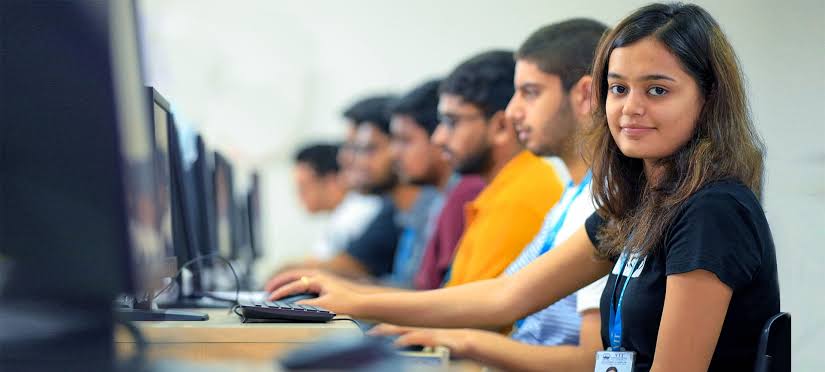
School of Computer Science and Engineering, VIT Chennai

Publication

All submissions are subject to peer review. Accepted, registered, and presented papers will be submitted for inclusion in IEEE Xplore, subject to meeting IEEE Xplore's scope and quality requirements.

IEEE Xplore

All accepted, registered, and presented papers will be submitted for inclusion in IEEE Xplore, subject to IEEE's scope and quality requirements.

Similarity under 10%

Manuscripts must have an overall similarity index below 10% excluding references, and must be free from AI-generated plagiarism.

Double-blind review

Both authors and reviewers remain anonymous. Author details must not appear in the initial manuscript.

Two-paper limit

As a rule, an author should not submit more than two articles to the conference, including any co-authorship.

Publication Policy

  • Upon paper acceptance, at least one author must register for the conference and present the paper. Every accepted paper must have an individual author registration.
  • As per IEEE policy, authors of every published paper needs to sign a copyright transfer agreement. The instructions for the copyright agreement will be shared with the author after acceptance of the paper.
  • All accepted and presented papers will be submitted for inclusion into IEEE Xplore, subject to meeting IEEE Xplore’s scope and quality requirements.
Timeline

Important Dates

31 July 2026 15 August 2026

Paper Submission Deadline

Closed
20 September 2026

Notification of Acceptance

1 November 2026

Registration Deadline

5 November 2026

Camera-Ready Submission

10–11 December 2026

ICRTAC'26 Conference Dates

Scope

Conference Tracks

The 9th edition of ICRTAC'26 covers original, unpublished technical work on the following topics, including but not limited to:

  • Explainable and Responsible AI
  • Deep Learning for Smart Healthcare
  • AI for Precision Agriculture
  • Federated Learning and Edge AI
  • Sustainable and Green AI Models
  • AI for Disaster Prediction and Climate Resilience
  • Intelligent Transportation Systems
  • IoT-enabled Smart City Infrastructure
  • Smart Grid and Energy Management
  • AI-driven Urban Analytics
  • Smart Water and Waste Management
  • Digital Governance for Smart Cities
  • Climate Data Analytics and Prediction
  • Green Cloud Computing
  • Energy-efficient Data Centers
  • Sustainable Computing Architectures
  • AI for Climate Change Mitigation
  • Green Networking and Communication Systems
  • Blockchain for E-Governance
  • Smart Contracts and Decentralized Applications
  • Secure Digital Identity Management
  • Privacy-preserving Blockchain Systems
  • Blockchain for Supply Chain Transparency
  • Energy-efficient Consensus Mechanisms
  • Edge AI and Intelligent Edge Systems
  • Mobile Edge Computing (MEC)
  • 5G/6G-enabled Smart Applications
  • Fog Computing Architectures
  • Real-time IoT Data Processing
  • Ultra-low Latency Communication Systems
  • AI-driven Cybersecurity Solutions
  • Secure IoT and Embedded Systems
  • Cloud and Network Security
  • Privacy-preserving Machine Learning
  • Cyber Threat Intelligence and Detection
  • Authentication and Access Control Systems
  • Smart Manufacturing and IIoT
  • Robotics and Industrial Automation
  • Predictive Maintenance using AI
  • Cyber-Physical Systems
  • Robotic Process Automation (RPA)
  • Digital Transformation for Sustainable Industries
  • AR/VR for Smart Education
  • Digital Twin Technologies
  • Immersive Healthcare Applications
  • Extended Reality (XR) Systems
  • 3D Simulation and Visualization
  • Metaverse Applications for Social Impact
  • Quantum Machine Learning
  • Quantum Cryptography and Security
  • Quantum Optimization Algorithms
  • Hybrid Classical–Quantum Computing
  • High-performance Computing for Sustainability
  • Advanced Intelligent Optimization Algorithms
Submission Status

Paper Submission Guidelines

The paper submission window closed on 15 August 2026. The requirements below remain available for authors whose manuscripts are under review.

Submissions closed

Paper submission is closed

New manuscripts are no longer being accepted. Submitted papers are managed through Microsoft CMT and are progressing through the double-blind review process. The maximum paper length is 6 pages.

Submission closed IEEE templates
6pages max
2reviewers
<10%similarity

1 · Originality

  • Submitted manuscripts must be original and should not have been published previously or be under review for any other conference, journal, or workshop.
  • All submissions will undergo plagiarism screening via iThenticate IEEE anti-Plagiarism tool and a rigorous peer-review process.
  • Authors are fully responsible for ensuring the originality and authenticity of their work.
  • Papers violating publication ethics may be rejected without review.

2 · Paper format

  • Manuscripts must be prepared using the IEEE Conference Paper Template.
  • Papers should be written in clear English.
  • Maximum paper length is 6 pages, including figures, tables, and references.
  • Authors must strictly follow IEEE formatting requirements.

3 · Submission system

  • Papers must be submitted electronically through the Microsoft Conference Management Toolkit (CMT).
  • Authors should create an CMT account and upload their manuscript in PDF format. Authors should provide a complete paper title and abstract of no more than 250 words during submission.
  • Abstracts should clearly summarize the contribution and significance of the work.
  • Submitted papers must NOT list any author names, affiliations, or other personally identifiable information, and must not include page numbers.
  • Submissions exceeding the page limit may be rejected.

4 · Review process

  • Submitted manuscripts undergo mandatory plagiarism screening per IEEE guidelines. Papers violating ethics will be desk-rejected and the authors’ parent organizations informed.
  • All submitted manuscripts will be reviewed by the Program Committee.
  • Submissions will be judged on correctness, originality, technical strength, significance, potential impact, quality of presentation, and interest and relevance to the conference scope.
  • The author list and order at the time of submission is considered final – no co-authors can be added or removed or re-ordered after the submission deadline or upon acceptance (no exceptions).

5 · Camera-ready submission

  • Authors of accepted papers must incorporate reviewers' comments and submit the camera-ready version before the deadline.
  • At least one author of each accepted paper must register and present the paper.

6 · Presentation requirement

  • At least one author of every accepted paper must register for the conference and present the paper.
  • Every accepted paper requires an individual author registration.
  • Failure to present may result in exclusion from proceedings and IEEE Xplore submission.

7 · Copyright

  • As per IEEE policy, authors of every published paper must sign a copyright transfer agreement. Instructions will be shared with authors after acceptance.

8 · Important notes

  • Ensure all author information is correctly entered during submission.
  • The author list and order at the time of submission is considered final — no co-authors may be added, removed, or re-ordered after the submission deadline or upon acceptance (no exceptions).
  • Organizers reserve the right to reject papers that do not comply with IEEE formatting or ethical standards.
  • Papers with high similarity scores or evidence of plagiarism will be rejected without review.

Review Process

  1. 1

    Plagiarism
    Screening

  2. 2

    Editorial
    Screening

  3. 3

    Technical
    Evaluation

  4. 4

    Acceptance
    Decision

  5. 5

    Camera Ready

  6. 6

    Conference
    Presentation

CMT Acknowledgement

The Microsoft CMT service was used for managing the peer-reviewing process for this conference. This service was provided for free by Microsoft and they bore all expenses, including costs for Azure cloud services as well as for software development and support.

Registration

Registration Fee

Conference format

PRESENTATION MODE (HYBRID)

ICRTAC 2026 will be conducted in a hybrid format. Please note that virtual (online) presentations are exclusively reserved for foreign authors. All Indian delegates are required to attend and present their papers in person.

Accepted papers

Registration Details

At least one author of each accepted paper must complete the registration by paying the appropriate conference fee in order for the paper to be included in the ICRTAC 2026 conference program and submitted for publication in IEEE Xplore (subject to compliance with IEEE quality standards and presentation at the conference).

Registration Guidelines

  • Eligibility for IEEE Xplore: Only registered and presented papers will be considered for IEEE Xplore Digital Library.
  • Each full registration covers one (1) paper with a maximum of 6 pages.
  • Registration fees are non-refundable under any circumstances.
  • Authors must retain a copy of the payment transaction ID or receipt for use during the registration process.
  • Authors registering under IEEE Member or Student categories must upload a valid IEEE membership card or student ID respectively.
Important: Registration window closes on 01 November 2026.

Indian Authors

Category Non-IEEE Members (₹) IEEE Members (₹)
Student (UG / PG) ₹7,500 ₹7,000
Research Scholar ₹8,000 ₹7,500
Faculty / Academician ₹8,500 ₹8,000
Industry ₹9,500 ₹9,500

Foreign Authors

CategoryFee ($)
Academic / Research Scholar / Corporate Sector $300

Note: Registration fee doesn't cover bank charges and includes only participation & presentation to the conference.

Leadership

Chief Patron

Dr. G. Viswanathan

Dr. G. Viswanathan

Chancellor, VIT

Patrons

Mr. Sankar Viswanathan

Dr. Sankar Viswanathan

Vice-President, VIT

Dr. Sekar Viswanathan

Dr. Sekar Viswanathan

Vice-President, VIT

Dr. G V Selvam

Dr. G. V. Selvam

Vice-President, VIT

Dr. V. S. Kanchana Bhaaskaran

Dr. V. S. Kanchana Bhaaskaran

Vice-Chancellor, VIT

Dr. Thyagarajan T

Dr. Thyagarajan T

Pro-Vice Chancellor, VIT - Chennai

Dr. K. Sathiyanarayanan

Dr. K. Sathiyanarayanan

Director, VIT - Chennai

Dr. P.K. Manoharan

Dr. P.K. Manoharan

Additional Registrar, VIT - Chennai

Speakers

Keynote Speakers

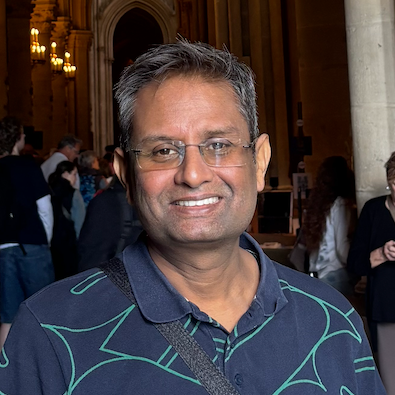
Prof. Thinagaran Perumal

Prof. Thinagaran Perumal

Universiti Putra Malaysia, Malaysia

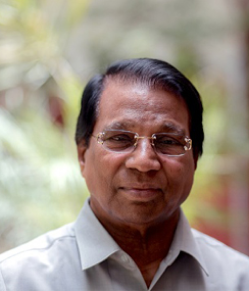
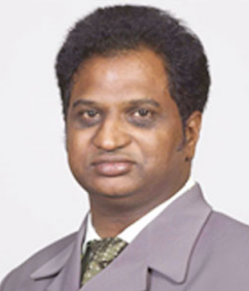
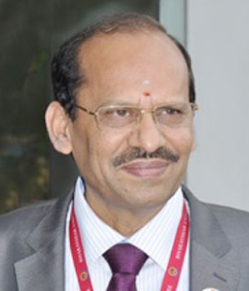
Dr. P. S. Pandian

Dr. P. S. Pandian

Scientist G, Director Technology, DRDO, Bangalore, INDIA

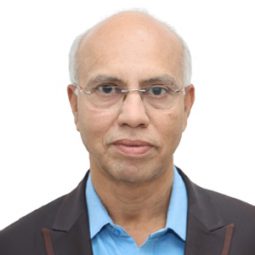
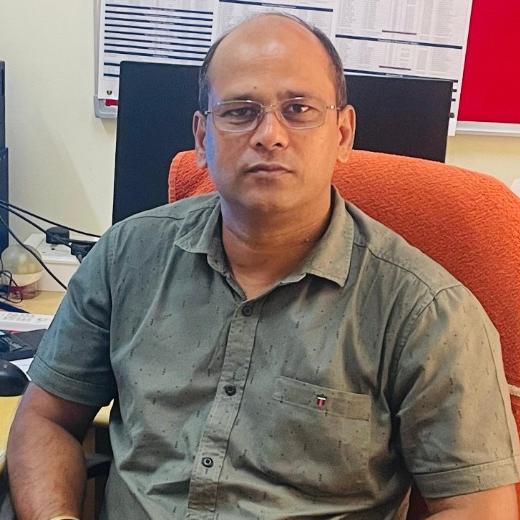
K. Srinivasan

K. Srinivasan

Assistant Professor, Defence Institute of Advanced Technology (DIAT), Pune, India

People

Conference Committee

General Chairs

  • Dr. Viswanathan VProfessor & Dean, VIT Chennai

Co-Chairs

  • Dr. Nithyanandam PProfessor & Associate Dean, VIT Chennai
  • Dr. Suganya GProfessor & Associate Dean, VIT Chennai
  • Dr. Sweetlin Hemalatha CProfessor & Associate Dean, VIT Chennai

Conference Chairs

  • Dr. Vijayalakshmi AAssociate Professor, VIT Chennai
  • Dr. Saranyaraj DAssociate Professor, VIT Chennai

Program Committee

  • To Be AnnouncedProgram Committee members will be announced soon.

Technical Committee

  • Dr. Kalaipriyan TAssociate Professor, VIT Chennai
  • Dr. Prakash PAssociate Professor, VIT Chennai
  • Dr. Yogesh CAssociate Professor, VIT Chennai
  • Dr. Sambath MAssistant Professor, VIT Chennai

IEEE Advisory Committee

  • Dr. P. SakthivelChairman, IEEE Madras Section
  • Dr. T. ShanmugananthamVice Chairman – Academics, IEEE Madras Section
  • Dr. Ramalatha MarimuthuVice Chairman – Industry, IEEE Madras Section
  • Dr. S. RadhaSecretary, IEEE Madras Section
  • Dr. S. BrindhaTreasurer, IEEE Madras Section
  • Dr. V. NagarajanExecutive Member, IEEE Madras Section

International Advisory Committee

  • Mr. Balaji VenkatasubramaniyarTechnical Lead, Sedgwick, USA
  • Ir. Dr. Malathy BatumalayAssociate Professor, INTI International University, Malaysia
  • Mrs. Anup KagalkarTechnical Lead, Tampa, USA
  • Satish KabadeSolutions Architect, Communication Experts Inc. (CEI), New York, USA
Location

Venue

VIT Chennai campus

Vellore Institute of Technology, Chennai

Vandalur – Kelambakkam Road, Chennai, Tamil Nadu – 600 127, India

  • By airChennai International Airport — approx. 35 minutes by road.
  • By railTambaram / Chennai Egmore are the nearest major stations.
  • By roadDirectly on Vandalur–Kelambakkam Road, off GST Road.
Get directions
Get in touch

Contact Us

Address

Vellore Institute of Technology, Vandalur – Kelambakkam Road
Chennai, Tamil Nadu – 600 127

Organizing school

School of Computer Science and Engineering (SCOPE)